
Latest Bollywood Movie Releases
BwTorrents: classic Hindi films in English, from Mughal-e-Azam, Mother India, Awaara and Shree 420 to Guide, Anand, Chupke Chupke, Gol Maal and Padosan, and where to watch them
184 classic Hindi films from 1936 to 1979: the golden age, the great romances and musicals, the gentle comedies and the stars of the 1970s.

Forum
If this is your first visit, open any film for its story, then choose your country and press Watch now. To start browsing, pick a shelf from the selection below.
Genres
Comedy
Top film: Chori Mera Kaam
Classic Hindi comedies.
Films: 40
Love stories
Top film: Chori Mera Kaam
The great romances.
Films: 86
Music and dance
Top film: Mera Naam Joker
Musicals and stories of singers, dancers and poets.
Films: 44
Stars and directors
The golden trio
Top film: Mera Naam Joker
Raj Kapoor, Dilip Kumar and Dev Anand.
Films: 31
The gentle masters
Top film: Mili
Bimal Roy, Guru Dutt, Hrishikesh Mukherjee, Basu Chatterjee and Gulzar.
Films: 39
Stars of the seventies
Top film: Mera Naam Joker
Rajesh Khanna, Amitabh Bachchan and Dharmendra.
Films: 41
New cinema
Top film: Manthan
Shyam Benegal, Satyajit Ray, Mani Kaul and the parallel cinema.
Films: 13
Decades
Before 1960
Top film: Kalpana
From 1936 to 1959.
Films: 40
The 1960s
Top film: Suhaag Raat
From 1960 to 1969.
Films: 54
The 1970s
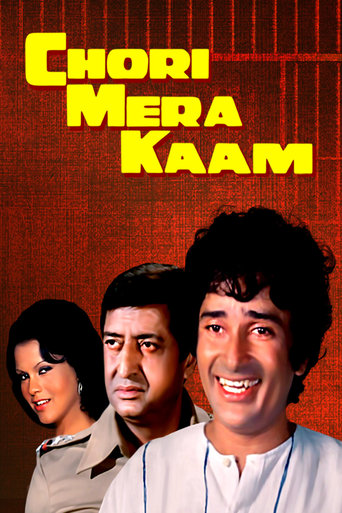
Top film: Chori Mera Kaam
From 1970 to 1979.
Films: 90
Gold Classics
Top film: Anamika
The highest-rated classics on BwTorrents.
Films: 45
Comedy



Love stories


Before 1960
Classic Hindi cinema in English: the BwTorrents guide
BwTorrents: classic Hindi films in English, from Mughal-e-Azam, Mother India, Awaara and Shree 420 to Guide, Anand, Chupke Chupke, Gol Maal and Padosan
The Hindi cinema of the 1940s to the 1970s is one of the great treasures of world film. In those four decades, the studios of Bombay made romances, comedies, musicals and family dramas of extraordinary charm, filled with songs that a billion people can still sing, and with stars whose names remain household words: Raj Kapoor, Dilip Kumar, Dev Anand, Nargis, Madhubala, Meena Kumari, Waheeda Rehman, Rajesh Khanna and Amitabh Bachchan. BwTorrents is an English guide to that heritage: 184 classic Hindi films, made between 1936 and 1979, each with its own page, its story in English, its year, its running time and a Watch now button that leads to the official services carrying it in your country.
The catalogue has been chosen by hand for families and for lovers of old films. It gathers the masterpieces of the golden age, the great romances and musicals, the gentle comedies of Hrishikesh Mukherjee and Basu Chatterjee, the family favourites of the 1960s and 1970s and the first films of the new, realistic cinema. The gangster and revenge dramas of the period belong to other guides, so every film here is one that grandparents, parents and children can enjoy together.
The sections below are a relaxed tour of classic Hindi cinema: how the site is laid out, the early years, the golden trio, the gentle masters, the comedies, the romances, the music, the stars of the seventies, the new cinema and a few plans for a first week. Each section links to a short help page, and the How to watch page sums up the simple steps from a title page to the official service.
How BwTorrents looks
BwTorrents keeps the look of the site it is named after, which was built as a discussion forum for lovers of Hindi films. The page is framed in charcoal grey. At the top left sits the logo: a fan of bright petals in orange, yellow, green, red and violet, the name in rainbow letters, the little motto about quality above it and the three words Movies, Music and Masti below, in red, yellow and magenta. A My List button stands at the top right. Under the logo runs the menu in bold white serif letters, Forum, Films, Gold Classics, Comedy, Romance and A to Z, with the Help link picked out in red, as the Register link was on the original site, and a small search row on the right. On a phone, the menu folds into a three-line button.
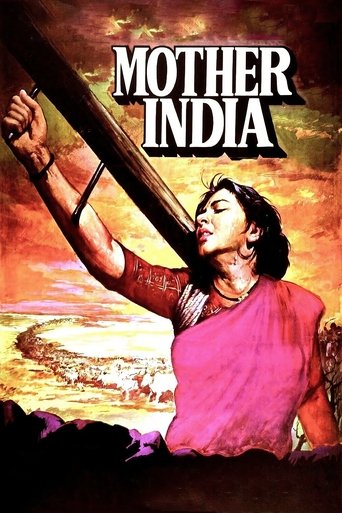
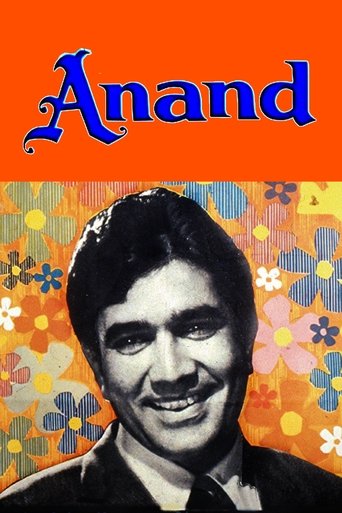
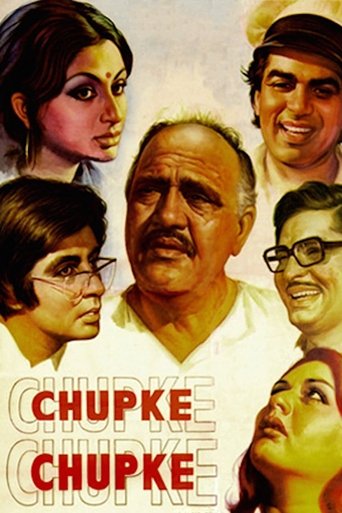
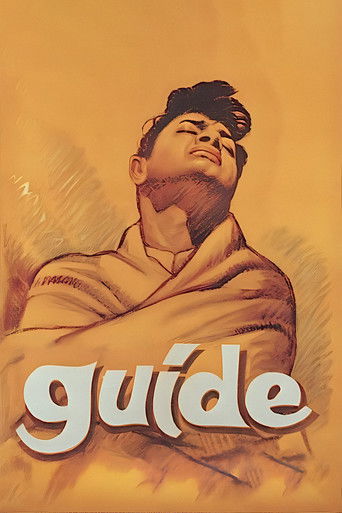
The content sits on a pale card in the middle of the charcoal frame. First comes a white block under a black title bar, Latest Bollywood Movie Releases, holding the main heading, a line about the catalogue and a strip of six posters side by side. Then come two coloured bars, a lavender one that marks your place in the forum and a yellow one with a note for first-time visitors, exactly as on the original site.
Below them, the shelves are laid out like the forums of a message board. Each group, Genres, Stars and directors and Decades, has a black title bar in serif letters, and under it the shelves appear as bold underlined names, each followed by a few grey lines giving its most popular film, a short description and the number of films it holds. On the right, a column of black-edged boxes lists the Latest threads, which here are the most recent films, the Most Popular titles and the help pages, each line beginning with a small double arrow. Rows of posters for the comedies, the love stories and the earliest films follow, and this guide sits in its own block near the bottom.
The charcoal frame, the black bars, the lavender and yellow strips, the forum blocks and the sidebar are drawn from a careful study of the original site's style sheets from 2011, with a typeface close to the Verdana it used. The posters, stories and credits are new, and every part of the page works with a keyboard, a screen reader and a small phone screen.
The early years
Indian films learned to talk in 1931, and within a few years the studios of Bombay, Calcutta and Pune were producing musicals and dramas for a vast new audience. The Before 1960 shelf holds 40 films, and the The early years help page offers a short tour of the oldest.
Devdas, from 1936, directed by P. C. Barua for New Theatres in Calcutta and starring the singer K. L. Saigal, made the tragic lover of Sarat Chandra Chattopadhyay's novel one of the lasting figures of Indian cinema. Untouchable Girl, known in Hindi as Achhut Kanya, was made in the same year by Bombay Talkies with Devika Rani and a young Ashok Kumar, and it told a love story across the barrier of caste with great tenderness. Kismet, from 1943, again with Ashok Kumar, was such a success that it played at a single theatre in Calcutta for more than three years.
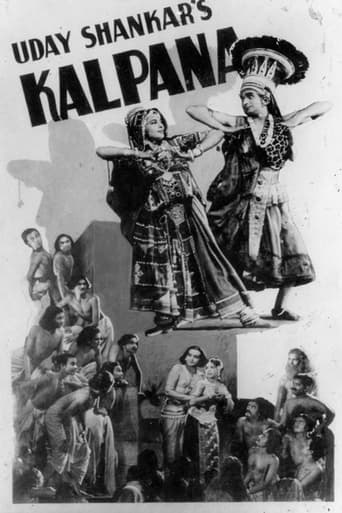
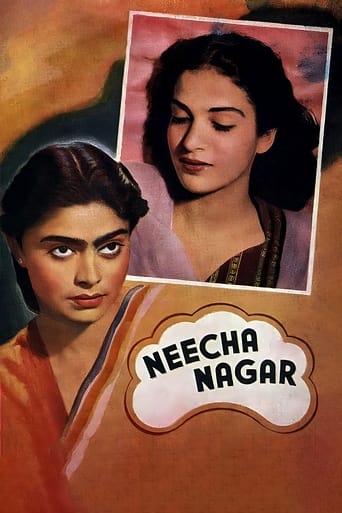
The years around independence produced remarkable films. Neecha Nagar, from 1946, directed by Chetan Anand, shared the top prize at the very first Cannes Film Festival. Dr. Kotnis Ki Amar Kahani, directed by V. Shantaram, tells the true story of an Indian doctor who served in China, and Kalpana, from 1948, is the only film made by the great dancer Uday Shankar, a dream-like celebration of Indian dance. Shahjehan features some of K. L. Saigal's last and best-loved songs, and Barsaat, from 1949, announced the arrival of Raj Kapoor and Nargis and of a new, youthful style.
The golden trio
Three stars ruled the golden age of the 1950s, each with his own style, and audiences loved to argue about which was the greatest. The The golden trio shelf holds 31 of their films, and the The golden age help page offers a quick introduction.
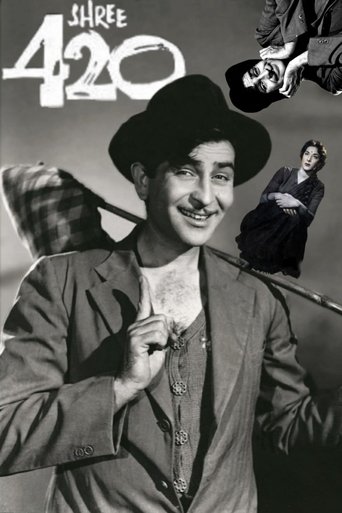
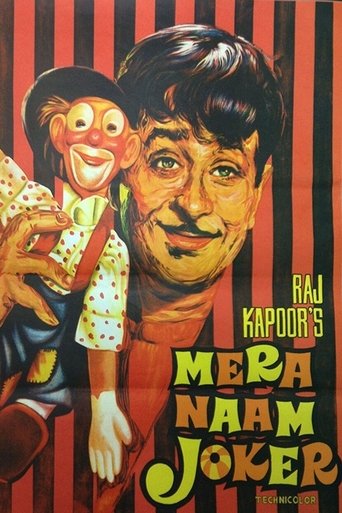
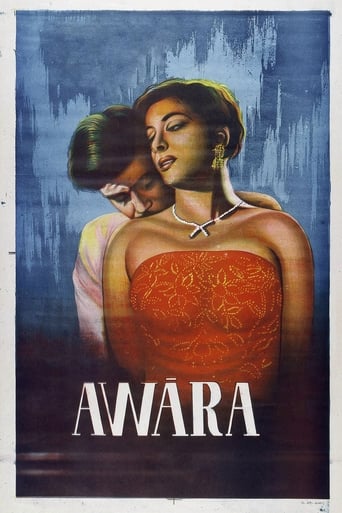
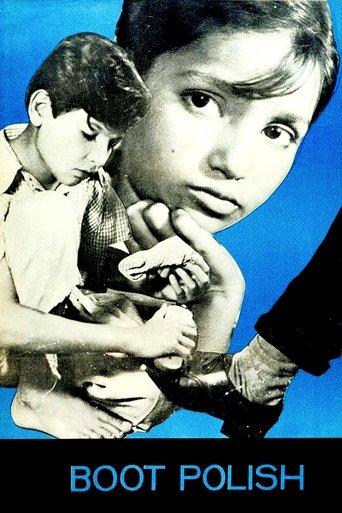
Raj Kapoor was an actor, director and producer, the great showman of Hindi cinema. In Awaara, from 1951, he plays a young man of the streets who falls in love with a lawyer, played by Nargis, and the film, with its famous dream sequence and its songs, was adored from the Soviet Union to Turkey and China. Shree 420, from 1955, follows a hopeful young man who arrives in the big city with his degree and his honesty and must decide what kind of person to become; its song about a Japanese shoe, English trousers and a red Russian hat, with a heart that remains Indian, became an anthem. Boot Polish is a touching story of two orphaned children who learn to earn their living with dignity, Jis Desh Mein Ganga Behti Hai follows an innocent singer among people who have lost their way, Sangam is a lavish romance filmed partly in Europe, and Mera Naam Joker is the story of a circus clown who makes the world laugh while hiding his own sorrows.
Dilip Kumar was the finest dramatic actor of his generation, admired for a quiet, natural style that influenced every actor who followed. In Devdas, directed by Bimal Roy in 1955, he gave the definitive performance of the doomed lover. Aan, from 1952, is a swashbuckling adventure in dazzling colour, Madhumati, from 1958, is a haunting romance of love across lifetimes set in the hills, and Ram Aur Shyam, from 1967, lets him play twin brothers, one timid and one bold, in a joyful comedy. In Mughal-e-Azam he is Prince Salim, who defies his father, the emperor Akbar, for the love of the court dancer Anarkali.
Dev Anand was the charmer, quick-talking, stylish and forever young. Taxi Driver, from 1954, was filmed in the real streets of Bombay, Munimji, Solva Saal and Tere Ghar Ke Samne are light romances full of songs, and Hum Dono, from 1961, gives him a double role as two soldiers who look alike. Guide, from 1965, directed by his brother Vijay Anand from the novel by R. K. Narayan, is his masterpiece: the story of a tourist guide and a dancer, played by Waheeda Rehman, it is celebrated for its music, its dances and its unusual, searching ending.
Two epics
Two films stand above the golden age like monuments. Mother India, from 1957, directed by Mehboob Khan, follows Radha, a village woman played by Nargis, who raises her sons through poverty and hardship and holds fast to her honour; it was the first Indian film to be nominated for the Academy Award for the best foreign-language film, and it remains a symbol of the strength of Indian women.
Mughal-e-Azam, from 1960, directed by K. Asif, took more than a decade to make and was the most expensive Indian film of its time. Prithviraj Kapoor's Akbar, Dilip Kumar's Salim and Madhubala's Anarkali are unforgettable, and its great song in the hall of mirrors, filmed in colour within a black-and-white film, is one of the most famous scenes in Indian cinema. Decades later, the whole film was carefully coloured and released again to full theatres. For anyone new to classic Hindi cinema, these two films are the place to begin.
The gentle masters
Some of the most loved Hindi films were made by directors who preferred quiet stories about ordinary people. The The gentle masters shelf holds 39 of their films, and the The gentle masters help page offers a tour.
Bimal Roy brought a realist's eye and a poet's heart to everything he made. Two Acres of Land, from 1953, known in Hindi as Do Bigha Zamin, follows a farmer who goes to the city to earn the money to save his small plot of land, and it won a prize at the Cannes Film Festival. Sujata, from 1959, is the tender story of a girl of humble birth raised in a loving household, and Bandini, from 1963, with Nutan in one of the finest performances of the era, follows a woman's journey towards forgiveness and a new life. Biraj Bahu and Madhumati show his range, from domestic drama to romantic mystery.
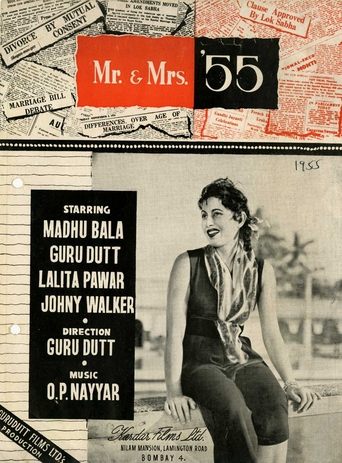
Guru Dutt was the great romantic of Hindi cinema, a director with a wonderful eye for light and shadow. Mr. & Mrs. '55 is a sparkling comedy about a cartoonist and an heiress, Kaagaz Ke Phool, from 1959, the first Indian film in CinemaScope, is a melancholy and beautiful story about a film director, and Sahib Bibi Aur Ghulam, from 1962, is a portrait of a grand old household in decline, with Meena Kumari in her most celebrated role. Baaz is an early adventure that he directed and starred in.
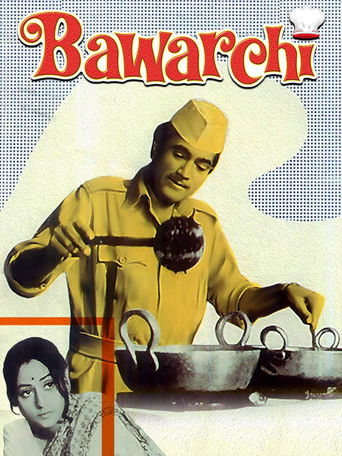
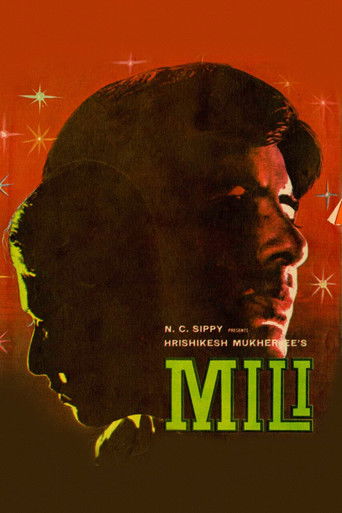
Hrishikesh Mukherjee, who began as Bimal Roy's editor, became the best-loved maker of family films in India. Anari, Anuradha and Aashirwad are warm dramas of decent people, and Anand, from 1971, is one of the most cherished of all Hindi films: Rajesh Khanna plays a man who knows his time is short and decides to fill every day with laughter, and Amitabh Bachchan plays the serious young doctor who becomes his friend. Guddi follows a schoolgirl who adores a film star, Bawarchi follows a mysterious cook who brings a quarrelling family together, and Abhimaan is the story of a singer and his more gifted wife. Mili, Namak Haraam and Jurmana are further gems.
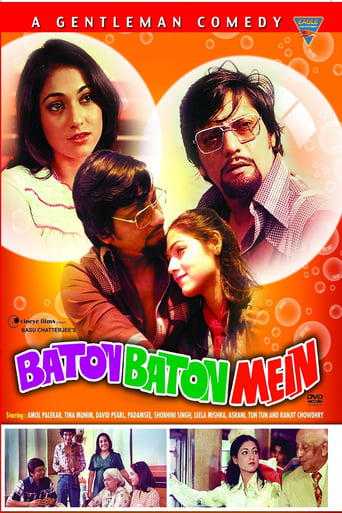
Basu Chatterjee found his stories in the buses, offices and small flats of middle-class Bombay. Rajnigandha, from 1974, follows a young woman who must choose between two very different men; Chhoti Si Baat follows a shy clerk who takes lessons in confidence to win the woman he admires at the bus stop; and Chitchor is a sweet story of mistaken identity in a small town, with songs that are still favourites. Khatta Meetha brings two large families together when a widower and a widow marry, and Baton Baton Mein follows a romance that begins on a suburban train.
Gulzar, a poet as well as a director, made films of rare delicacy. Mere Apne follows an old woman who befriends the restless young men of a city neighbourhood, Parichay follows a young tutor who wins over five unruly children and their stern grandfather, and Koshish, with Sanjeev Kumar and Jaya Bhaduri as a couple who can neither hear nor speak, is a deeply moving story of love and courage. Aandhi, Khushboo and Kitaab complete a remarkable group.
The comedies
Classic Hindi comedy has a sweetness all its own, and the Comedy shelf holds 40 films. The Classic comedy help page picks out the best.
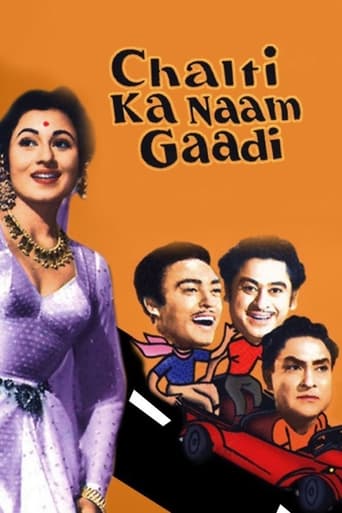
Chalti Ka Naam Gaadi, from 1958, stars the three Ganguly brothers, Ashok Kumar, Anoop Kumar and the irrepressible Kishore Kumar, as the owners of a garage who have sworn off love, and Madhubala as the young woman whose car breaks down outside it one rainy night. Half Ticket, from 1962, has Kishore Kumar disguising himself as a schoolboy to travel on a child's fare, and Pyar Kiye Jaa is a merry farce about a film-mad young man and a strict father.
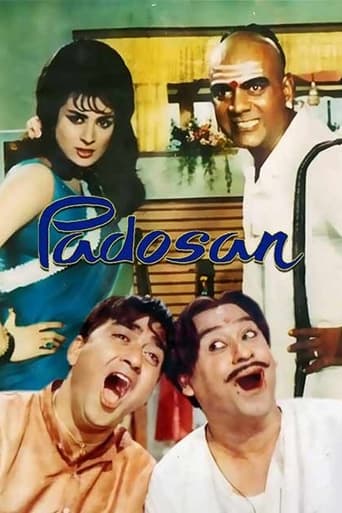
Padosan, from 1968, is perhaps the funniest Hindi film ever made. A simple young man falls in love with the girl next door, who is learning music from a pompous teacher, and his friends, led by Kishore Kumar as a theatre director, come to his rescue with a plan involving a borrowed singing voice. Sunil Dutt, Saira Banu, Mehmood and Kishore Kumar are all at their best, and its songs are comic classics. Bombay to Goa, from 1972, is a road comedy set on a bus full of eccentric passengers, with an early leading role for Amitabh Bachchan.
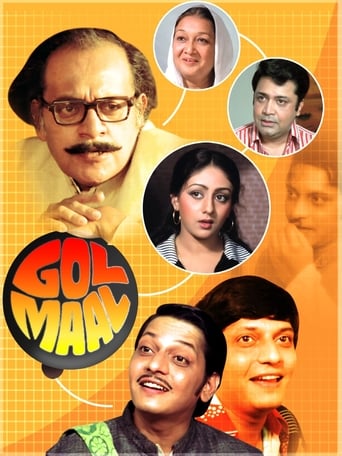
Hrishikesh Mukherjee made two of the most perfect comedies of the 1970s. In Chupke Chupke, from 1975, a professor of botany pretends to be a driver in order to play a trick on his wife's brother-in-law, who prides himself on seeing through every trick; Dharmendra, Sharmila Tagore, Amitabh Bachchan and Jaya Bachchan are joined by the delightful Om Prakash. In Gol Maal, from 1979, a young man invents a twin brother to keep his job with an employer who distrusts young men with hobbies, and the lie grows and grows; Amol Palekar and Utpal Dutt make a glorious pair. Do Jasoos, Chacha Bhatija and Chori Mera Kaam add more laughter from the same decade.
The great romances
Romance is the beating heart of classic Hindi cinema, and the Romance shelf is the largest on the site, with 86 films. The Great romances help page suggests where to start.
Chori Chori, from 1956, sends a runaway heiress, played by Nargis, on a long road journey with a penniless reporter, played by Raj Kapoor, and their quarrels turn slowly into love. The Full Moon, known in Hindi as Chaudhvin Ka Chand, is set in the old city of Lucknow, where two friends fall in love with the same veiled woman, played by Waheeda Rehman, and its title song is among the most admired in Hindi film. Barsaat Ki Raat, from 1960, brings a poet and his admirer, played by Bharat Bhushan and Madhubala, together on a rainy night, and it is famous for its qawwali contests. Taj Mahal, from 1963, tells the love story of the emperor Shah Jahan and Mumtaz Mahal, with glorious music by Roshan.
Jab Jab Phool Khile, from 1965, follows a boatman of Kashmir, played by Shashi Kapoor, and a wealthy visitor, played by Nanda, who rents his houseboat. Teesri Kasam, from 1966, produced by the lyricist Shailendra, pairs Raj Kapoor as a bullock-cart driver with Waheeda Rehman as a travelling dancer on a long, gentle journey through the countryside, and it is treasured for its songs and its simplicity. Anupama, directed by Hrishikesh Mukherjee, follows a painfully shy young woman, played by Sharmila Tagore, who finds her voice through the kindness of a young writer, played by Dharmendra. Milan, with Sunil Dutt and Nutan, is a romance of two lifetimes on the banks of a river, and Mera Saaya is a romantic mystery with Sadhana in a double role.
Chetan Anand's Heer Raanjha, from 1970, tells the great Punjabi legend with every line of its dialogue written in verse by the poet Kaifi Azmi, and Laila-Majnu, from 1976, tells the equally famous legend of the desert lovers with Rishi Kapoor and Ranjeeta. Bobby, from 1973, directed by Raj Kapoor, introduced Rishi Kapoor and Dimple Kapadia as teenagers from two very different families, and it created a new fashion for young love stories. Kabhi Kabhie, from 1976, directed by Yash Chopra, follows a poet, played by Amitabh Bachchan, and the woman he once loved across two generations, with a title song that became one of the most popular ever recorded.
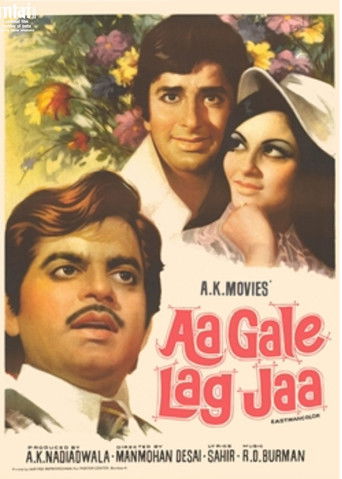
Many more romances wait on the shelf. Kala Pani and Manzil star Dev Anand, Asli Naqli pairs him with Sadhana under Hrishikesh Mukherjee's direction, and Tere Mere Sapne casts him as an idealistic doctor in a mining town. Pyar Ka Mausam, Sharmeelee and Aa Gale Lag Jaa star Shashi Kapoor, Jheel Ke Us Paar and Raja Jani star Dharmendra, and Mamta, with Suchitra Sen, is a dignified drama of a mother's devotion. Noorie, from 1979, set in a beautiful valley of Kashmir, was one of the surprise successes of its year.
Music and dance
A classic Hindi film is always, in part, a concert. The composers, lyricists and playback singers of the golden age, Naushad, S. D. Burman, Shankar and Jaikishan, Lata Mangeshkar, Mohammed Rafi, Kishore Kumar, Asha Bhosle, Mukesh and Manna Dey, created a body of song that is loved across the world. The Music and dance shelf holds 44 films, and the Music and dance help page is a short listening tour.
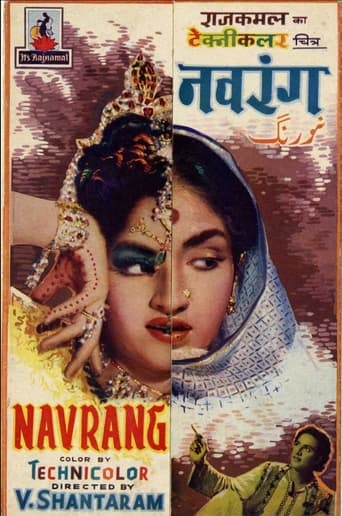
Baiju Bawra, from 1952, tells the legend of a young singer who challenges the great Tansen at the court of Akbar, and its score by Naushad, built on classical ragas, is a landmark. V. Shantaram's Navrang, from 1959, is a riot of colour and dance about a poet and his muse, and his Geet Gaaya Pattharonne, from 1965, the story of a sculptor and a dancer, introduced the star Jeetendra. Kalpana preserves the dance of Uday Shankar, and Guide contains some of the finest dancing ever filmed in Hindi cinema, performed by Waheeda Rehman.
The 1970s brought the youthful sound of R. D. Burman. Caravan, from 1971, follows a young woman who hides among a troupe of travelling performers, and Jawani Diwani and Khel Khel Mein are college romances full of energy. Hum Kisise Kum Naheen, from 1977, directed by Nasir Hussain, includes a celebrated song contest with a long medley of hits. Abhimaan is a story about singers with a superb score by S. D. Burman, Sargam, from 1979, pairs Rishi Kapoor with Jaya Prada in the story of a drummer and a dancer, and the gentle Rajshri films Geet Gaata Chal and Sawan Ko Aane Do are filled with folk melodies.
Shammi Kapoor and the colourful sixties
In the 1960s Hindi cinema burst into colour and headed for the hills. The films of the decade were bright, tuneful and carefree, set in Kashmir, Shimla and Darjeeling, and the star who best expressed their spirit was Shammi Kapoor. The 1960s shelf holds the decade, and the Shammi Kapoor help page follows his films.
Junglee, from 1961, cast him as a stern young man from a family that has forbidden laughter, who discovers joy and love in the snows of Kashmir; his happy shout as he tumbles down a snowy slope became his signature, and the film introduced Saira Banu. Professor, from 1962, has him disguise himself as an elderly tutor to win a post in a strict household, and Kashmir Ki Kali, from 1964, introduced Sharmila Tagore to Hindi audiences as a flower seller on Dal Lake. Dil Tera Diwana and Bluff Master are lively comedies, and Brahmachari, from 1968, in which he plays a kind-hearted young man who cares for a houseful of orphaned children, won him the Filmfare award for best actor. Prince and Tumse Achha Kaun Hai followed in 1969, and Andaz, from 1971, gave him a mature role as a widowed father who finds love again.
The decade had many other pleasures. Sangam took its audience to Venice, Paris and Switzerland. Ram Aur Shyam and Pyar Kiye Jaa kept theatres laughing, Sawan Ki Ghata and Mere Huzoor offered romance and song, Neel Kamal told a story of love across lifetimes, and Shaadi and Suhaag Raat were family dramas of marriage and loyalty. Yaadein, from 1964, is a remarkable experiment: Sunil Dutt directed it and is the only actor to appear on screen in the entire film.
The stars of the seventies
The 1970s began with a wave of adoration for one man. Rajesh Khanna became the first actor in India to be called a superstar, with a run of successes that remains unmatched. The Stars of the seventies shelf holds 41 films, the 1970s shelf holds the whole decade, and the The 1970s help page offers a tour.
Aradhana, from 1969, directed by Shakti Samanta, made Rajesh Khanna a sensation: he plays both a dashing air force pilot and, later, his son, with Sharmila Tagore as the woman whose life the story follows, and its songs, sung by Kishore Kumar, were heard everywhere. Do Raaste is a drama of a family held together by one loyal brother, Aan Milo Sajna and Kati Patang pair him with Asha Parekh, and Aap Ki Kasam pairs him with Mumtaz. Haathi Mere Saathi, from 1971, the story of a man and the four elephants who are his dearest friends, was one of the greatest family successes of the decade, and children still adore it. Aakhri Khat, from 1966, directed by Chetan Anand, was his very first film, and Anand, Bawarchi and Namak Haraam show how fine an actor he was under Hrishikesh Mukherjee.
Amitabh Bachchan began his career with Saat Hindustani, from 1969, as one of seven young Indians from different regions who join a peaceful march. The gentler side of his talent can be seen all over this catalogue: as the doctor in Anand, the English teacher in Chupke Chupke, the poet in Kabhi Kabhie, the husband in Abhimaan and Mili, and the trader of palm sugar in Saudagar. Do Anjaane, from 1976, was his first film opposite Rekha, and Zameer and Ganga Ki Saugand are popular entertainments of the mid-decade.
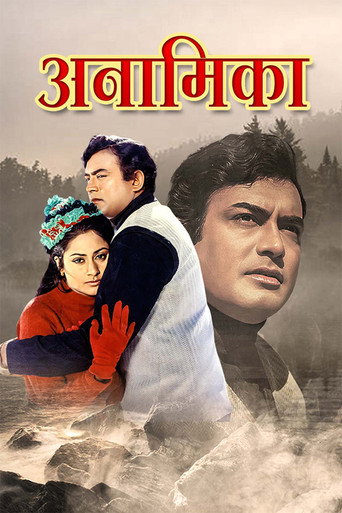
Dharmendra and Hema Malini were the favourite pair of the time. Seeta and Geeta, from 1972, directed by Ramesh Sippy, gives Hema Malini the double role of twin sisters, one meek and one fearless, who change places, and it is a joy from start to finish. Dharam Veer, from 1977, directed by Manmohan Desai, is a colourful adventure of two friends in a fairy-tale kingdom, and Mera Gaon Mera Desh and Raja Jani show Dharmendra at his most likeable. Sanjeev Kumar, the most versatile actor of the decade, shines in Anamika, Khilona, Manchali and Uphaar, and Shashi Kapoor and Mumtaz sparkle in Chor Machaye Shor.
Films of the nation
A young country looked to its films for a picture of itself, and several of the classics here are stories of India and its people. The Films of the nation help page gathers them.
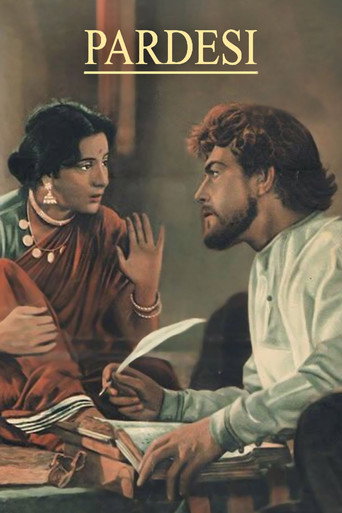
Jhansi Ki Rani, from 1953, directed by Sohrab Modi, tells the story of the brave queen Lakshmibai of Jhansi and was among the first Indian films made in Technicolor. Dr. Kotnis Ki Amar Kahani honours a doctor's selfless service abroad, and Pardesi, from 1957, made jointly by Indian and Soviet film-makers, follows the Russian traveller Afanasy Nikitin on his fifteenth-century journey to India. Babar, from 1960, portrays the founder of the Mughal dynasty, and Mughal-e-Azam gives the grandest picture of that court.
Manoj Kumar made the love of country his special subject. In Upkar, from 1967, he plays a farmer who works the land so that his brother can study, and the film, with its famous song in praise of the soil of the nation, honours both the farmer and the soldier. Purab Aur Pachhim, from 1970, sends a proud young Indian to London, where he reminds his hosts of the values of home, and Roti Kapada Aur Makaan, from 1974, follows an honest graduate searching for work. Shor, from 1972, is his most personal film, the story of a father who longs to hear his young son's voice again. Mother India, Two Acres of Land and Jis Desh Mein Ganga Behti Hai all belong to this tradition, and so does Naukari, Bimal Roy's story of a hopeful young man, played by Kishore Kumar, looking for his first job.
The new cinema
At the end of the 1960s a group of young directors, many of them trained at the film institute in Pune, began to make a different kind of Hindi film: quiet, realistic and filmed in real villages and streets. The New cinema shelf holds 13 of them, and the The new cinema help page is a short introduction.
Bhuvan Shome, from 1969, directed by Mrinal Sen, is where the movement began. A strict and lonely railway official, played by Utpal Dutt, takes a holiday in the countryside of Gujarat and is gently changed by a cheerful village girl, played by Suhasini Mulay; the narrator's voice belongs to a young Amitabh Bachchan. Mani Kaul's Uski Roti, One Day Before the Rainy Season and Duvidha, the last a folk tale of Rajasthan filmed like a series of miniature paintings, and Kumar Shahani's Maya Darpan are the most adventurous works of the group, slow and beautiful.
Shyam Benegal brought the new cinema to a wide audience. Ankur, from 1974, set in a village of the Deccan, introduced Shabana Azmi, and Manthan, from 1976, tells the story of the dairy co-operatives of Gujarat; half a million farmers each gave two rupees to pay for the film, and they travelled to the theatres in lorries to see their own story. The Chess Players, from 1977, is the only full-length Hindi film of the great Satyajit Ray: in the Lucknow of 1856, two gentlemen, played by Sanjeev Kumar and Saeed Jaffrey, are so absorbed in their chess that they scarcely notice history changing around them, and Richard Attenborough appears as a British general.
The city has its poets too. 27 Down, from 1974, follows a ticket inspector who spends his life on trains, Gharaonda, from 1977, follows a young couple, played by Amol Palekar and Zarina Wahab, who dream of a small flat of their own in Bombay, and Gaman, from 1978, directed by Muzaffar Ali, follows a villager, played by Farooq Shaikh, who drives a taxi in the great city and longs for home. Arvind Desai Ki Ajeeb Dastaan is the first film of Saeed Mirza, and An Encounter with Faces, a short documentary about the children of Bombay made by Vidhu Vinod Chopra, was nominated for an Academy Award.
Films for children and families
Many of the classics were made with the whole family in mind, and some have children at their centre. The For children help page lists the best choices for a family evening.
Boot Polish, from 1954, produced by Raj Kapoor, follows a brother and sister who learn from a kindly neighbour that honest work brings self-respect, and its young actors won praise at the Cannes Film Festival. Ab Dilli Dur Nahin, from 1957, follows a small boy who sets out for Delhi to ask the prime minister for help for his father. Dosti, from 1964, is the story of two boys, one who has lost his sight and one who walks with a crutch, who support each other through music and friendship; made with unknown young actors, it became one of the most loved films of its year and won the Filmfare award for best film.
Haathi Mere Saathi is the perfect choice for animal lovers, and Brahmachari fills a house with lively children. In Parichay, five children who have driven away every tutor meet one who wins them over with songs and patience, and in Kitaab, Gulzar follows a schoolboy's adventures when he runs away from the city by train. Guddi is a charming story for teenagers about the difference between film stars and real people, and Imtihan, from 1974, casts Vinod Khanna as an idealistic young teacher who earns the trust of a difficult class. Kunwara Baap, made by the comedian Mehmood, follows a rickshaw driver who raises a child he finds, and it carries a warm message about children's health.
For a family evening, the comedies are the safest of all. Chupke Chupke, Gol Maal, Padosan, Chalti Ka Naam Gaadi and Bawarchi delight every generation, and Seeta and Geeta is a favourite with children who love to see the bold twin set everything right.
Four decades at a glance
The catalogue can be read as a short history, and the By decade help page explains the three decade shelves.
The years before 1960 are the age of black and white, of studio craftsmanship and of the first great stars. The Before 1960 shelf runs from Devdas and Untouchable Girl in 1936 to Kaagaz Ke Phool, Sujata, Anari and Navrang in 1959, and it includes Jogan, with Dilip Kumar and Nargis, Sharada, with Raj Kapoor and Meena Kumari, Lajwanti, with Nargis and Balraj Sahni, Yahudi, Bimal Roy's costume drama set in ancient Rome, New Delhi, a cheerful comedy of neighbours from different regions, and Dhool Ka Phool, the first film directed by Yash Chopra.
The 1960s shelf opens with Mughal-e-Azam, The Test, Bimal Roy's sly village comedy known in Hindi as Parakh, and Anuradha, and it closes with Aradhana, Bhuvan Shome and Ek Phool Do Mali. In between come Gumrah, Professor, Guide, Padosan and dozens more. The 1970s shelf is the largest of the three, from Mera Naam Joker and Khilona in 1970 to Gol Maal, Baton Baton Mein, Jurmana and Nauker in 1979.
The Gold Classics shelf cuts across all the decades. It holds the 45 films with the highest ratings from viewers around the world, and it is the quickest way to the very best: Anand, Mughal-e-Azam, Chupke Chupke, Gol Maal, Guide, Padosan, Mother India, Awaara and Shree 420 are all there.
Finding a film
There are several ways to find a film on BwTorrents, and the Finding titles help page describes each one. The search row in the menu accepts a title, in Hindi or in English, and shows matching films as you type. The A to Z page lists all 184 films in alphabetical order, the Films page lists them by popularity, and the forum blocks on the home page lead to the shelves by genre, by star and director and by decade.
Two films here share a title, so the year matters: Devdas is the 1936 film with K. L. Saigal, and Devdas is the 1955 film with Dilip Kumar. Some films are listed under the English names used abroad, so Do Bigha Zamin appears as Two Acres of Land, Chaudhvin Ka Chand as The Full Moon, Parakh as The Test, Achhut Kanya as Untouchable Girl, Shatranj Ke Khilari as The Chess Players and Ashadh Ka Ek Din as One Day Before the Rainy Season. A search for either name finds the film.
What a title page shows
Every film has a page of its own. At the top are the poster, the title, the year, the running time and the rating from viewers around the world. Below come the story in English, the genres, the director and the leading actors, and a row of related films from the same shelves. The Watch now button opens a list of the official services that carry the film in your country, with a note of whether each one offers it to subscribers, to rent or to buy, and the How to watch help page walks through the steps.
Many classic Hindi films have been carefully restored in recent years, and several are offered free of charge, with advertisements, by the official channels of the studios that own them. Others are held by the large subscription services or by specialist services for Indian cinema. Availability differs from country to country and changes from month to month, so the list on each title page is the best place to look. English subtitles are offered by most services, and the songs are often subtitled too, which is a pleasure, since the lyrics of the golden age were written by real poets.
The Add to My List button, on every title page, saves a film to a personal list kept in your own browser. The list needs neither an account nor a password, and it is there the next time you visit on the same device. The My List help page explains how to add, review and remove films, and a list is a handy way to plan a season of classics: one shelf a month, or one star at a time.
A first week of classics
For a newcomer, seven evenings are enough to meet the best of the tradition. On the first evening, laugh with Chupke Chupke, which needs only a taste for wordplay and good company. On the second, watch Shree 420 for Raj Kapoor, Nargis and a love song under an umbrella in the rain that is one of the most famous images of Indian cinema. On the third, give an evening to Mughal-e-Azam, and on the fourth to Anand, with a handkerchief close by.
On the fifth evening, choose Guide for its music and its dancing; on the sixth, Padosan, for pure silliness; and on the seventh, Bhuvan Shome or The Chess Players, for a taste of the new cinema. Anyone who enjoys that week will find a second and a third ready: Madhumati, Kaagaz Ke Phool, Bandini, Chalti Ka Naam Gaadi, Teesri Kasam, Aradhana, Seeta and Geeta, Gol Maal, Rajnigandha, Chhoti Si Baat, Koshish, Abhimaan, Dosti and Mother India.
Viewers who already know the famous titles may enjoy the quieter corners of the catalogue. Anuradha, with a score by the sitar master Ravi Shankar, is the story of a singer married to a village doctor. Sujata and Bandini show Nutan at her finest, and Mamta does the same for Suchitra Sen. Aashirwad gives Ashok Kumar one of his greatest roles and a playful railway song that he performs himself at great speed. Gumrah, Adhikar, Elaan and Amir Garib are solid entertainments, Sadhu Aur Shaitaan and Main Sunder Hoon show the comedian Mehmood at full tilt, and Aaj Ki Taaza Khabar, Ek Nari Ek Brahmachari and Naukri round out the comedies.
How the catalogue is kept
The catalogue on BwTorrents is checked by hand. Each film is read against its story, its certificate and its reviews before it joins a shelf, so that the collection stays suitable for a family audience. The descriptions are written in plain English, the years and running times are checked against the public film databases, and the posters are the official ones. The shelves are rebuilt each time the catalogue is refreshed, so the counts and the Most Popular list in the sidebar stay up to date.
BwTorrents is a guide. It hosts neither films nor downloads; each Watch now button leads to an official, licensed service, so every viewing supports the studios, the archives and the restorers who keep these films alive. That matters for old cinema in particular: the income from licensed viewing pays for the scanning and repair of fragile negatives, and several films in this catalogue can be seen today in better quality than at any time since their first release.
The people behind the films
The directors and stars are only part of the story. The golden age was the work of a remarkable community of writers, composers, singers, cameramen and choreographers, and knowing a few of their names adds to the pleasure of the films.
The writer K. A. Abbas wrote Awaara, Shree 420 and Bobby for Raj Kapoor and directed Saat Hindustani and Pardesi himself. The lyricist Shailendra wrote the words of many of Raj Kapoor's best songs and produced Teesri Kasam; Sahir Ludhianvi wrote the poetry of Kabhi Kabhie and Barsaat Ki Raat; and Gulzar wrote his first film song for Bandini before becoming a director. The cameraman V. K. Murthy created the famous beams of light in Kaagaz Ke Phool, and Radhu Karmakar photographed Raj Kapoor's films for four decades.
Among the composers, Shankar and Jaikishan gave Raj Kapoor's films their sound, Naushad brought classical music to Baiju Bawra and Mughal-e-Azam, S. D. Burman wrote the scores of Guide, Aradhana and Abhimaan, Salil Chowdhury wrote those of Madhumati, Two Acres of Land and Anand, and Madan Mohan, Roshan, O. P. Nayyar, Laxmikant and Pyarelal and R. D. Burman each have their admirers. The voices belong above all to Lata Mangeshkar and Mohammed Rafi, joined by Mukesh, who sang for Raj Kapoor, and by Kishore Kumar, who sang for Dev Anand and Rajesh Khanna and acted in his own comedies.
The actresses of the period were stars in their own right. Nargis, Madhubala, Meena Kumari, Nutan, Vyjayanthimala and Waheeda Rehman led the 1950s and early 1960s; Sadhana, Asha Parekh, Sharmila Tagore, Saira Banu and Mumtaz led the later 1960s; and Hema Malini, Jaya Bhaduri, Rakhee, Zeenat Aman and Rekha led the 1970s, with Shabana Azmi and Smita Patil at the head of the new cinema. Character actors such as Om Prakash, Utpal Dutt, David, Lalita Pawar, Pran, Johnny Walker and Mehmood appear again and again, and they soon feel like old friends.
Questions and answers
Questions
What is BwTorrents?
BwTorrents is an English guide to 184 classic Hindi films made between 1936 and 1979. Each film has a page with its story, year, running time, director and cast, and a Watch now button that leads to the official services carrying it in your country.
Which films should I watch first?
Start with the Gold Classics shelf. Chupke Chupke, Shree 420, Mughal-e-Azam, Anand, Guide and Padosan make a wonderful first week, and Mother India and Awaara are the natural next steps.
Is the catalogue suitable for families?
Yes. Every film is chosen by hand for a family audience, with an emphasis on comedies, romances, musicals and family dramas. The For children help page lists the best choices for younger viewers, such as Haathi Mere Saathi, Dosti, Boot Polish and Parichay.
Are the films subtitled in English?
Most official services offer English subtitles for classic Hindi films, and many subtitle the songs as well. The services listed on each title page show the languages they provide.
How do I find a film by its Hindi title?
Type either the Hindi or the English title into the search row in the menu. Films listed under an English name, such as Two Acres of Land for Do Bigha Zamin, are found by both names, and the A to Z page lists all 184 titles.
Why are there two films called Devdas?
The novel has been filmed many times. The catalogue holds the 1936 film with K. L. Saigal and the 1955 film directed by Bimal Roy with Dilip Kumar, and the year on each page tells them apart.
How does My List work?
The Add to My List button on a title page saves the film in your own browser. The list is free, needs neither an account nor a password and is there on your next visit from the same device.
Does BwTorrents host films or downloads?
BwTorrents is a guide only. Every Watch now button leads to an official, licensed service, so each viewing supports the studios and archives that restore and preserve these films.